It can be frustrating to begin your daily Twitch streams only to encounter signal delays. These streaming delays are unavoidable for many users, as Twitch has been quickly expanding to new locations.
This indicates that many Twitch viewers are interested in watching multiple streams at the same time. This, in turn, generates significant traffic on Twitch servers.
Today, we will discuss the Twitch stream delay, its significance, and how you can reduce or even increase it as a moderator.
It is up to you to make the most effective use of your time, bandwidth, and software on Twitch, ensuring that your followers enjoy a crystal-clear image and sound during your broadcasts.
Several factors influence the Twitch stream delay, including your internet connection speed, the country you reside in—which may impose specific internet speed restrictions on Twitch—and even your hardware.
Although there are certain limitations regarding the acceptable Twitch delay for the audience, it can lead to negative reactions that should be avoided at all costs.
For instance, if you follow your favorite Twitch streamer broadcasting from China, it would be reasonable to expect some delays if you live in the Americas.
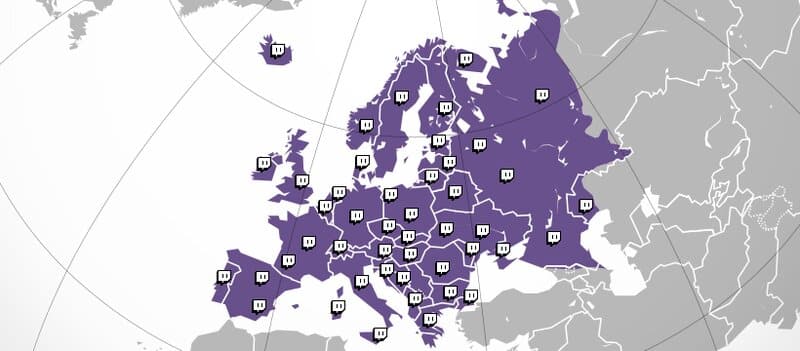
However, some countries impose specific restrictions on Twitch that impact Twitch stream quality.
Enabling the stream delay in Streamlabs OBS can positively impact your chat rooms.
The typical Twitch delay ranges from 10 to 15 seconds. This also depends on the Twitch Latency mode that users can enable.
The bitrate you choose for broadcasting can result in longer Twitch delays for your followers, particularly if they are located far from you.
As Twitch continues to expand, the challenges related to lower bitrate and more extensive analysis will increase, which is the ultimate goal for everyone.
Everyone should aim to embrace the latest mobile network technology to ensure that Twitch delay is eliminated once and for all.
You can find out the duration of the Twitch delay from the control panel. Both followers and broadcasters have the same access.
First, click on Advanced Settings, then select the Video Stats button. This is where you can choose the Stream Latency option to access real-time information about your Twitch stream delay.
Aside from that, there is no other direct method to measure the seconds of delay from the actual live broadcast.
As a Twitch channel owner and streamer, you can notify your loyal followers about the natural delay that occurs.
You can also recommend that they lower the desired bitrate to eliminate most of that delay at once.
Conversely, there may be instances when a delay in your broadcasting is necessary. This can occur for various reasons, with the most significant being the protection of information and the integrity of your channel.
If you search online, you will find various methods to either increase or decrease the desired Twitch delay in your streams.
Here, you will find the most effective methods for setting a Twitch delay for your channel:
How to Reduce Your Twitch Delay
To minimize the OBS delay, locate the OBS delay settings and begin encoding.
Writing new code on Twitch channels, while not prohibited, is a practice that requires mastery.
By adjusting the encoding, you can significantly reduce your Twitch delay to a level that your followers will find acceptable.
Another effective method to reduce the Twitch delay to acceptable levels is to enable a lower bitrate.
We all understand that a lower bitrate results in reduced image and sound quality. However, if you believe that a significant portion of your international audience is experiencing delays, it may be more beneficial to lower the quality in order to keep them engaged in your online games and competitions in real-time.
You also have the option to change your Twitch channel's latency mode to the lowest setting. This can be configured by default and will apply to your future streams whenever you broadcast online.
First, check the latency tab to determine its status. If it falls within the normal range, you can click the low indication and reduce your bitrate, allowing your Twitch followers to enjoy satisfactory, real-time broadcasting.
Methods to Extend the Twitch Delay
As previously mentioned, there are occasions when Twitch channel operators and streamers wish to increase the broadcasting delay.
This is relevant for security and quality assurance purposes. It can also be beneficial when you experience DDoS attacks or other hackers attempting to take control of your streams.
OBS Studio can provide you with a solution once again. You can utilize the stream delay feature in OBS and adjust the delay to your preferred levels.
Once you enable the delay, the system will prompt you to adjust the desired delay time, and it will apply the new settings immediately.
The OBS delay can be a crucial feature for your streams, as it provides your moderator with the essential time needed to identify and block intruders.
Conversely, by implementing a longer delay, you can consistently gather and reconnect with followers from other countries who are eager to view ads and engage in competitions during your live broadcasting sessions.
You can also grant partners and affiliates access to add streaming delays to your live streams. The Add Stream Relay option in the Settings panel allows them to adjust the delay between one and fifteen seconds, making it easier for you to win back your audience.
There are several ways for both expert and novice Twitch users to resolve the Twitch buffering issue. Some of these methods are straightforward and can be outlined here:
Always measure your upload speed using trustworthy online tools. This is the only way to determine the optimal combination of speed and frame frequency for your streaming.
Over the years, the Twitch platform has launched new tools to help streamers enhance their video and audio quality.
Eliminating unnecessary delays would enhance your profitability and channel reputation, preventing frustration among your audience and encouraging them to stay engaged with your streaming for longer.
Ultimately, speed is the goal for all Twitch users seeking to interact with one another and find an efficient way to communicate.
Frequently Asked Questions
Below are some of the most commonly asked questions regarding Twitch delays on social media.
The inquiries originate from the Google search engine, and this section of the article is dedicated to addressing these questions.
Can I Fix Twitch Delay by Lowering Stream Latency?
If you want to strike a balance between average video and sound quality and stream delay, these settings can be crucial. By reducing the video quality, you signal to your followers to adjust their expectations for image and sound quality in favor of more immediate communication.
Always remember that these settings may remain enabled by default and will not revert to normal unless you disable them manually.
If you are certain that your current broadcast targets a local audience, you can easily disable the latency option to achieve crisper video quality and seamless streaming without any delay.
What Happens with Proxies and VPN servers?
Can my IP Address Cause Bad Twitch Latency?
Why Are Twitch VODs so Bad?
Whenever you question the poor VOD experience you had, first check your internet connection. Another factor contributing to bad VODs could be the quality of your image and audio recording hardware.
Can my Streaming Hours Be the Reason for an Awful VODs Quality?
What Would Be the Optimal Bitrate on Twitch Streams?
The optimal bitrate for most Twitch streaming sessions is 4500 Kbps, which is a rate that many viewers can handle.
Twitch only provides viewers with the bitrate you send to the servers; thus, you need to maintain a lower bitrate to ensure that all viewers can watch your stream with decent speed and quality.
If your goal is to present your audience with a live gaming stream that requires a lower keyframe interval and some standard B-frames, you can reduce the bitrate even below the 4500 Kbps limit.
What Are the Twitch Official Recommendations for Bitrate?
Twitch only provides viewers with the bitrate you send to the servers; thus, you need to maintain a lower bitrate to ensure that all viewers can watch your stream with decent speed and quality.
If your goal is to present your audience with a live gaming stream that requires a lower keyframe interval and some standard B-frames, you can reduce the bitrate even below the 4500 Kbps limit.